
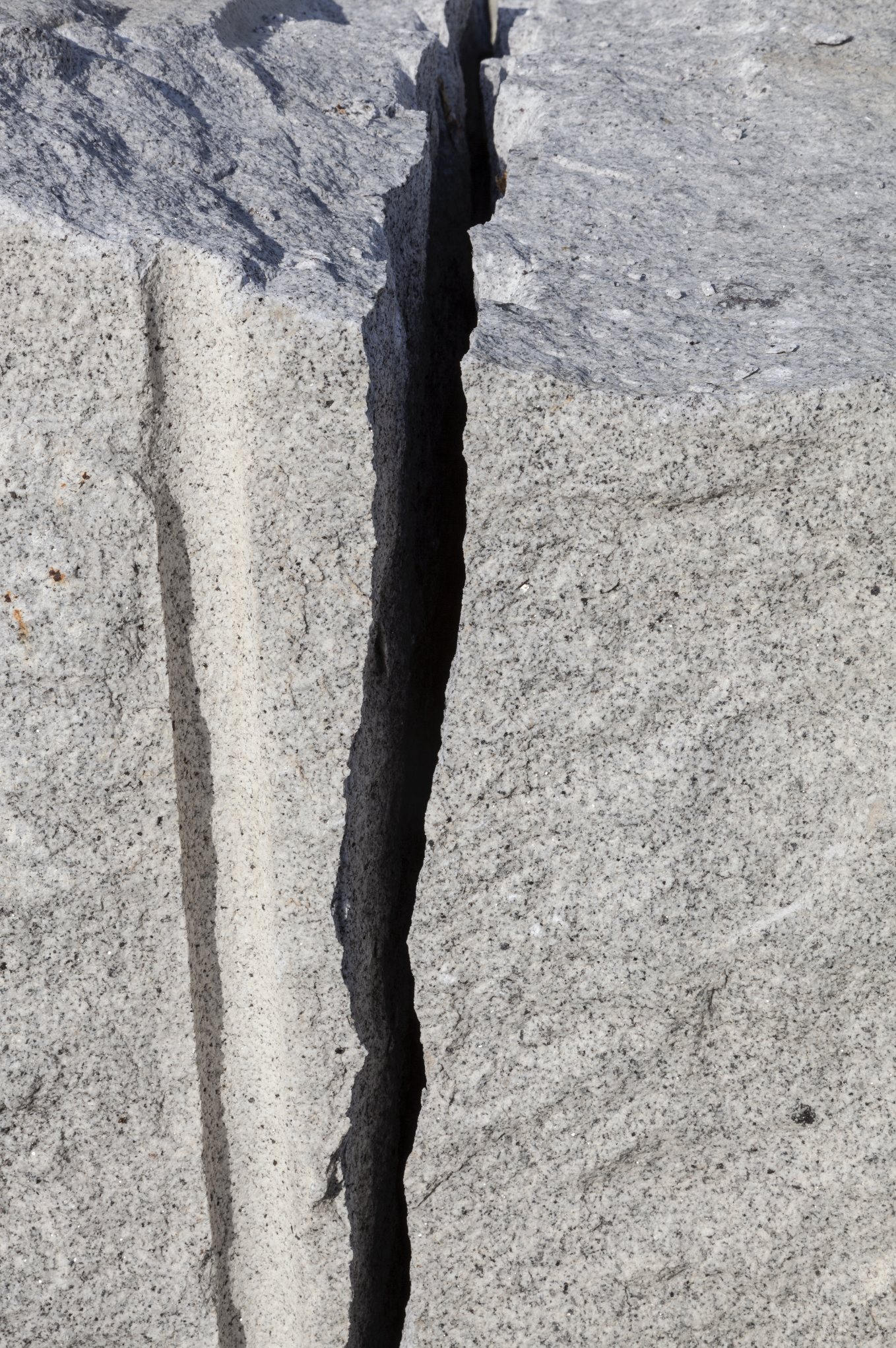
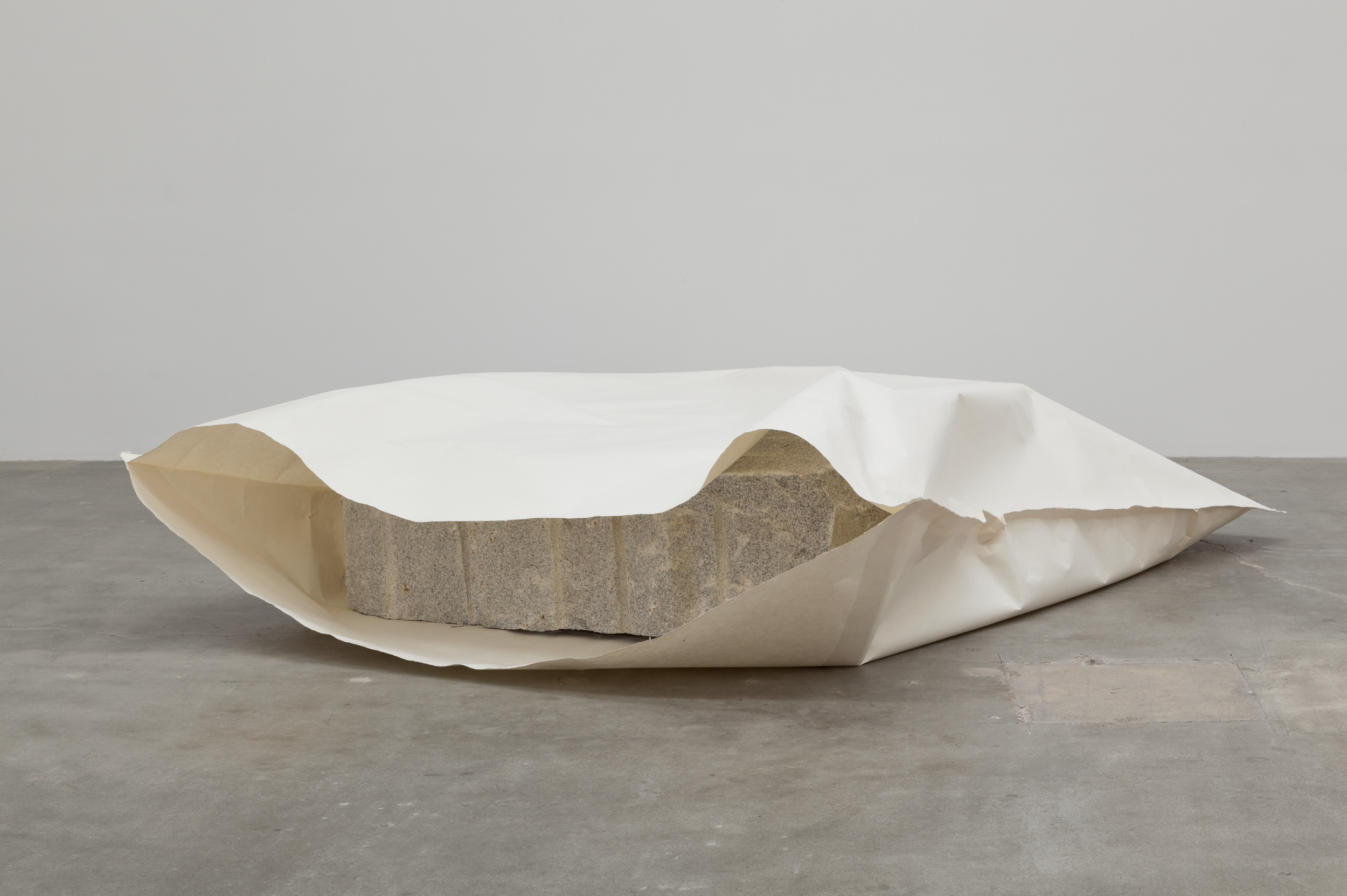
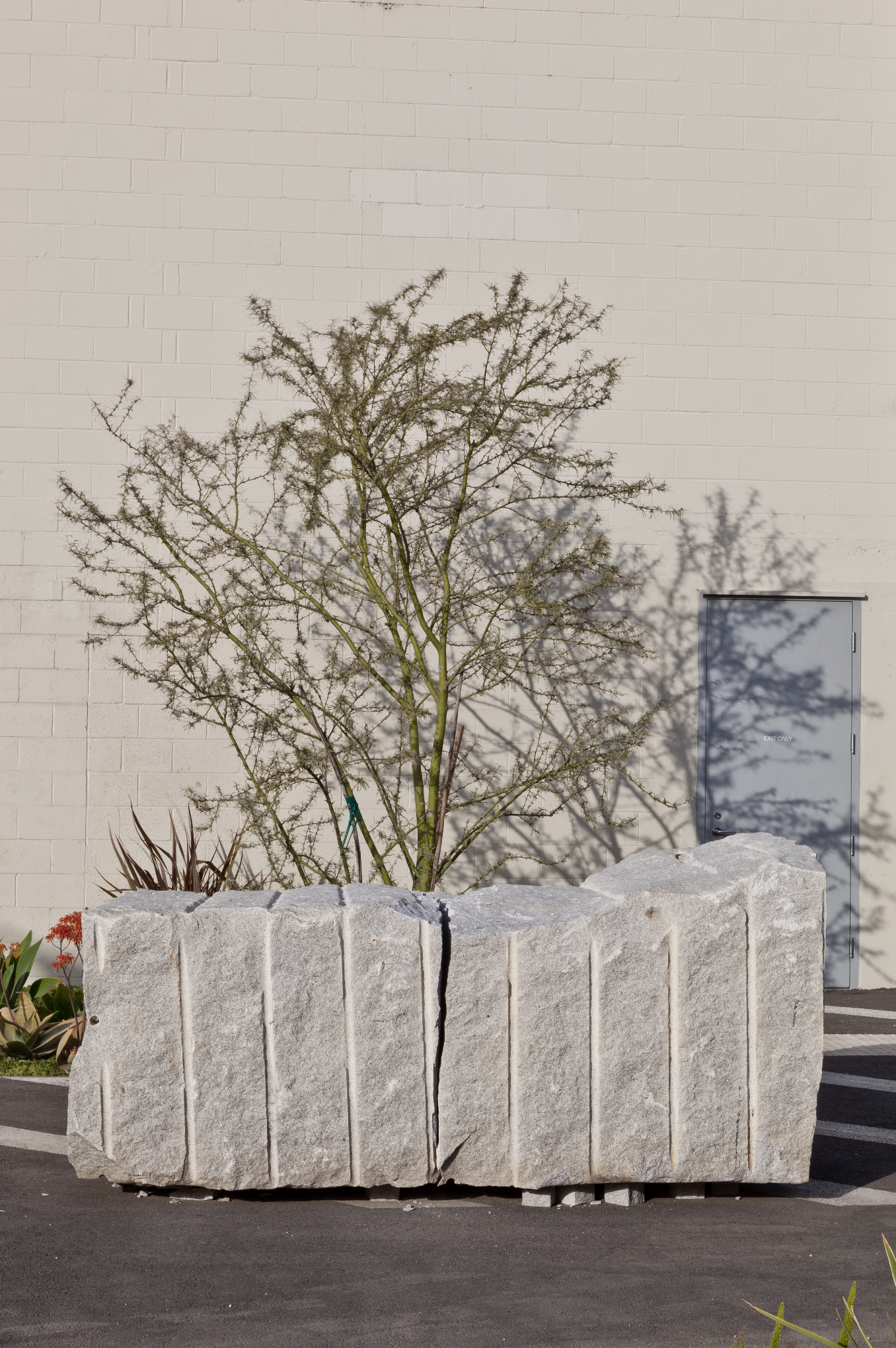
One of the key members of Mono-ha, a group of artists who became prominent in the late 1960s and 1970s in Japan, Koshimizu explores sculpture and installation through materials such as rocks, paper, wood, often with few artistic intervention. Although minimal, his work is highly evocative and powerful, exposing the fundamentals of sculpture.
THE LIGHT OBSERVER : What was it like to grow up in the south of Japan, in the aftermath of the second world war? What kind of memories do you have from your childhood?
SUSUMU KOSHIMIZU : The war left vast areas of burnt land, so as children we had no shortage of places to play. Looking back, supplies were scarce and we had nothing, but the abundance of the mountains, rivers and seas made up for it.
Do you remember your first encounters with the nature surrounding? Any special memory or feeling that stays with you?
As a child, I would go to the mountains near my house every day to play, running around, carving tree branches with a knife, and inventing my own ways to play. It was a very fulfilling life. During the postwar reconstruction period, there were new home construction sites all over the city, and I never got bored of watching the carpenters at work. I would gather sawdust and other pieces of wood that were lying around the construction sites and take them home to use as toys.
When did you understand you’d like to become an artist, to take that path?
I think I realized I wanted to pursue a career in the arts when I was around 16 or 17 years old, and initially I wanted to be a musician. However, I didn’t think the path toward being a musician was realistic given my less than wealthy circumstances, so I decided to pursue fine arts instead.
Mono-ha was a pioneering movement that emerged in Tokyo in the mid-1960s, which subsequently had a major impact on the Japanese and international art scene. Can you tell us how it all began? What role did you have in the movement?
Undoubtedly, it all began with the emergence of Nobuo Sekine’s Phase—Mother Earth in the fall of 1968. Nobuo Sekine, Katsuro Yoshida and I worked together on Phase—Mother Earth from the planning stage to its realization. After the physical labor of digging the hole and packing the earth, we came face to face with matter itself, and it’s no exaggeration to say that what we gained through this direct physical experience was an explosive enlightenment. For those of us who had studied the language of Western modern art, this brought us the freedom to speak in our own words, to sing with our own voices, and liberate our expression. From then on, the three of us expressed ourselves and sang freely in our respective ways. I think that our demeanour and the works we made had an influence on our peers as well.
What’s striking is the way you’ve all explored and experimented with the materials. Can you tell us more about that aspect?
Humans coexist with nature, and if we can position ourselves as being on an equal footing with wood, stone, water, paper, and steel, then by engaging directly with these materials and performing natural human actions, we will be able to send a message out to the world. The more distant a material is from artistic expression, the more enjoyable it feels to express it.
Can you tell us about the genesis of “Splitting a Stone in August ’70”?
Faced with the solid existence of this stone, I felt that a conversation between me, as a human, and the stone would begin by attempting to split it with a single blow. When I heard the sound the stone made the moment it split, I truly felt that I coexisted with this stone in this world.
What place does repetition occupy in your work?
The human act of living is a process of repetition and reiteration. Repetition is variation and the fruit of abundance.
What is the dialogue between paper and stone that you are interested in? What’s at stake in this contrast?
Soft and fragile paper can actually become strong through human cultural endeavor. A stone acquires a richer existence through its encounter with paper. Such human endeavor witnesses the encounter between stone and paper, and brings richness to the world at large.
How do you choose the stone you’ll be working with? How would you describe a block of stone, what adjectives would be appropriate for you?
Even a single stone scattered on the side of the road is beautiful. The moment you place it in the palm of your hand, the stone begins to speak of infinite possibilities. A lump that brings about infinite possibilities. Perhaps one could call it that?
Finally, what role does light play in your work as an artist? Why is it important in the conception and realization of a work, and eventually in the life of the artwork?
It is probably possible to use light itself as a material for expression. My friends Katsuro Yoshida and Saburo Muraoka have tried to capture light in a material way. Their works have given me a rich sense of expansive potential. I have never perceived light itself as a material in its own right, but I know that light can change the way we see the world. One of my works on view outside at the Takarazuka Arts Center is made of glass balls filled with water, and the sunlight shines through it, casting beautiful colors on the lawn. Sadly, before long smoke begins to rise from the grass! Light can also burn up material things!
Article featured in Issue 07
More about
Susumu Koshimizu
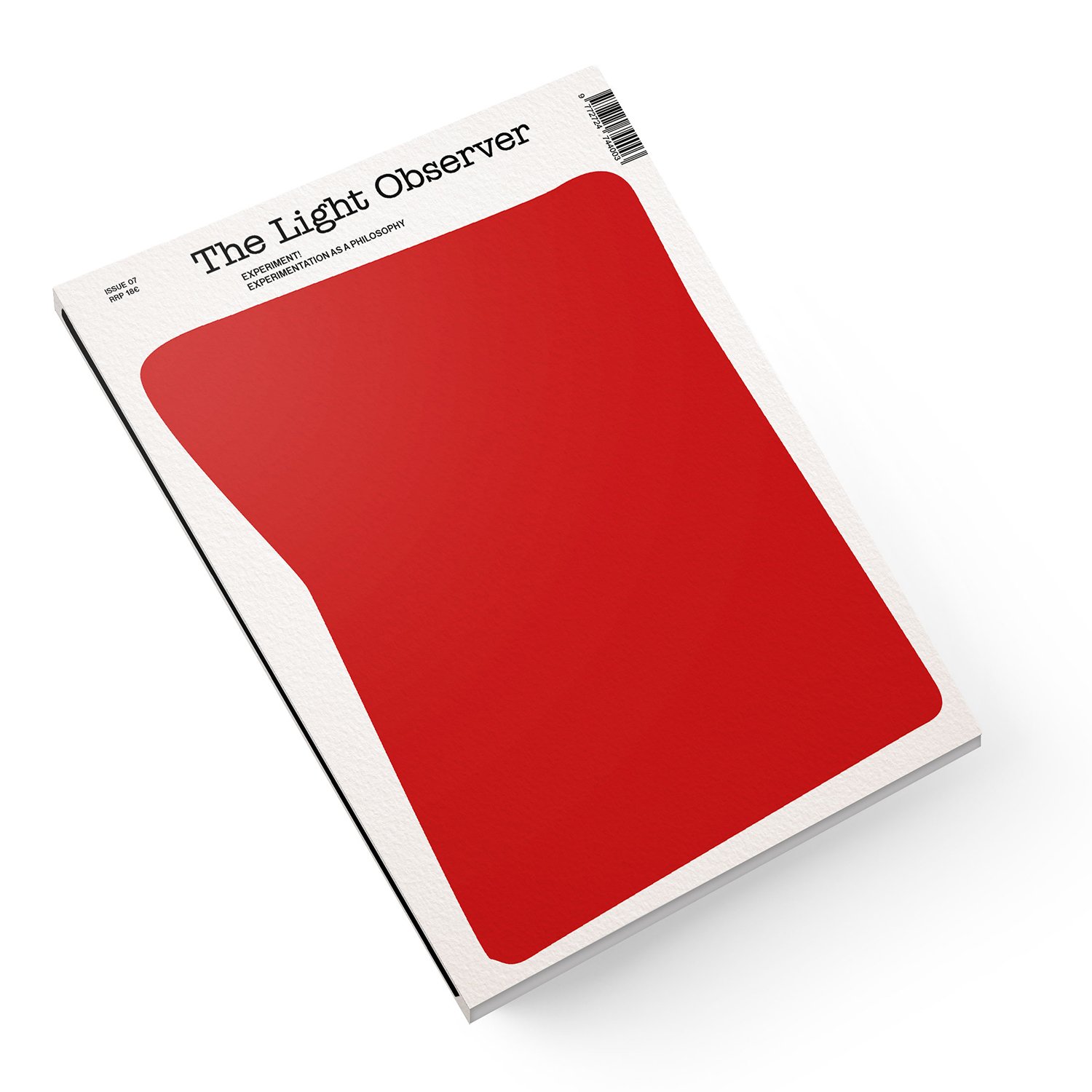
Experiment! - Issue 07
€17.06
The Light Observer explores light and how artists, photographers, scientists, and more, understand and use light in their work. The seventh issue revolves around the idea of experimentation. Together, the contributors of this issue embrace a spirit of exploration—at times intimate, always profound—inviting us to experience light as an evolving force that continuously reshapes our understanding of space, perception, and reality.